

Factory-Direct RF Manufacturer
Factory-Direct Spectrum Monitoring Solutions
CorelixRF designs and manufactures SDR-based spectrum monitoring systems — matched SDR platforms and receiving antennas for fixed spectrum monitoring stations, portable field monitoring setups, directional sector configurations, and OEM monitoring platforms. Engineering and production from one factory source.
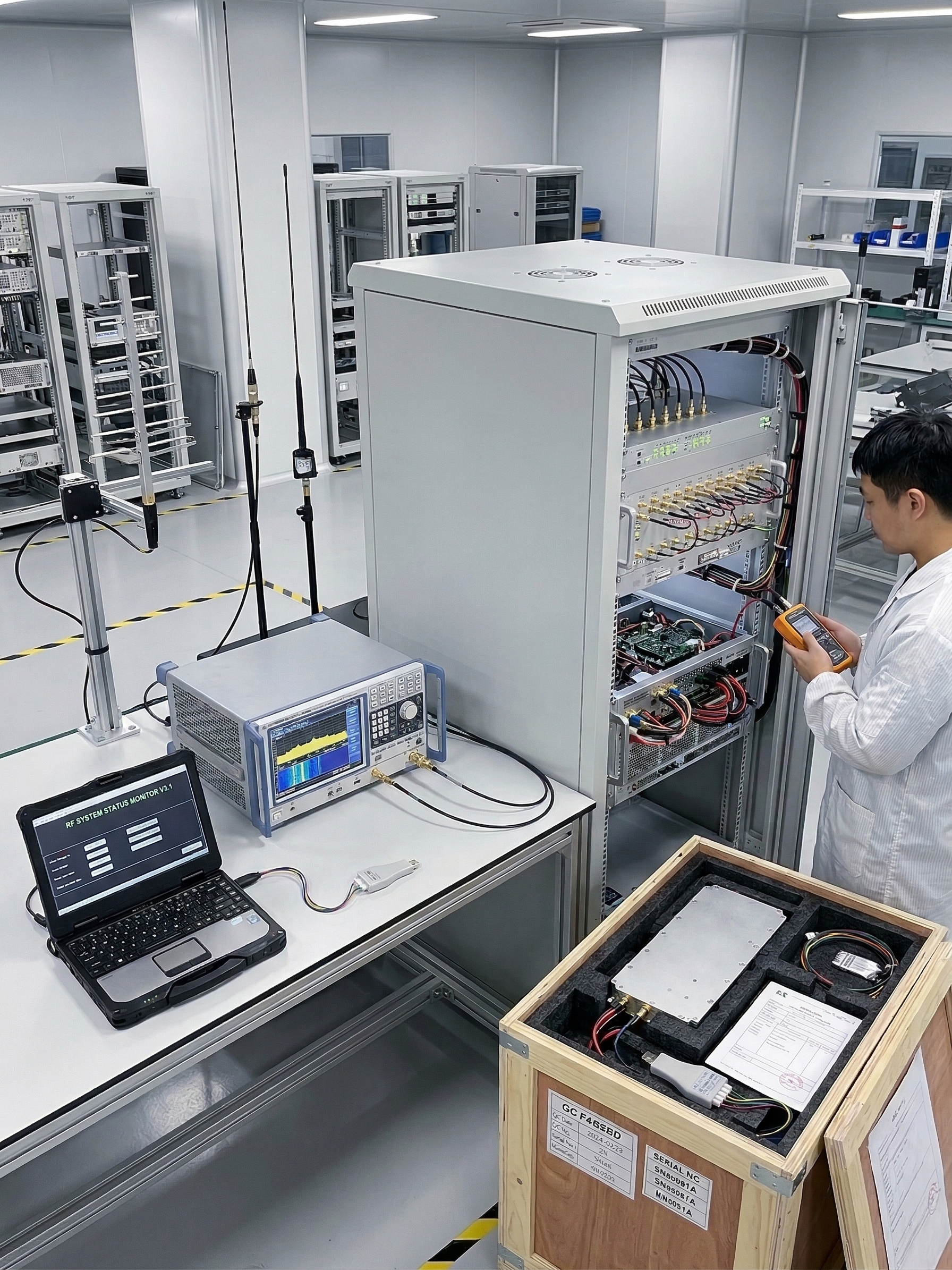
Factory Identity
Why CorelixRF Is the Factory Source for Spectrum Monitoring Projects
Engineering, manufacturing, and system matching handled from a single factory source — not resold modules, not third-party antenna suppliers.
In-House SDR Development
In-House SDR Platform — Not Resold Hardware
The SDR platform is developed and produced entirely in-house. Frequency coverage, interface design, and OEM configuration are engineering decisions — not negotiations with an external module supplier.
In-House Antenna Manufacturing
Receiving Antennas Built In-House — Not Multi-Vendor Sourcing
Broadband omnidirectional and directional sector antennas are manufactured by the same factory as the SDR. The entire receiving chain — antenna and receiver — originates from one engineering and production team.
Factory Verification
Frequency, Connector & Interface Matched Before Shipment
Frequency alignment, connector type, and interface specification are confirmed by one engineering team before the configuration leaves the factory. You do not receive two independent hardware items — you receive a pre-matched receiving chain.
OEM Continuity
OEM Continuity from Sample to Volume
OEM projects — embedded integration, custom frequency variants, labeling — are supported from the same factory that produces the standard configurations. Sample validation and volume production on a single supply line. No re-qualification as projects scale.
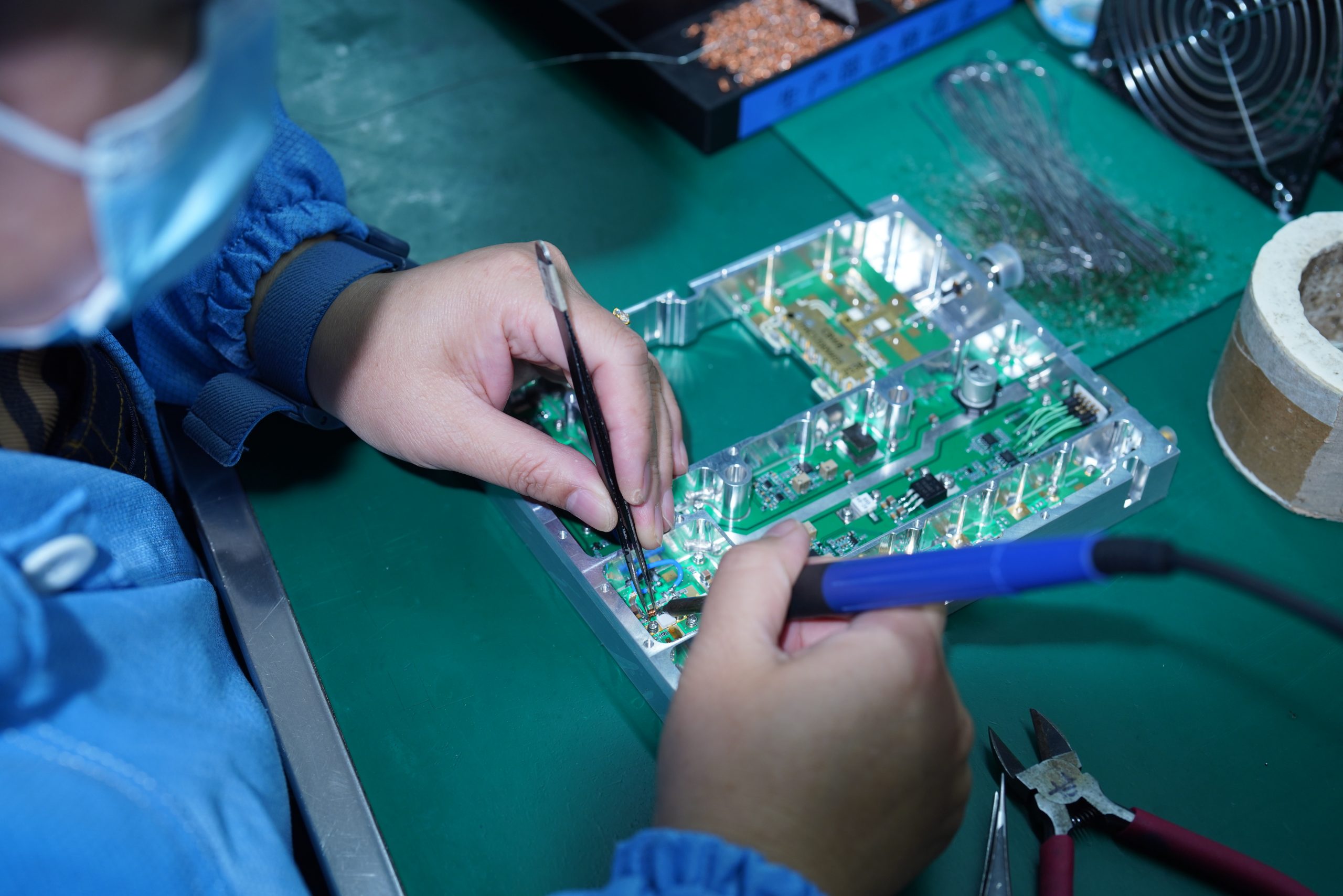
Factory Assembly — In-House SDR & Antenna Production
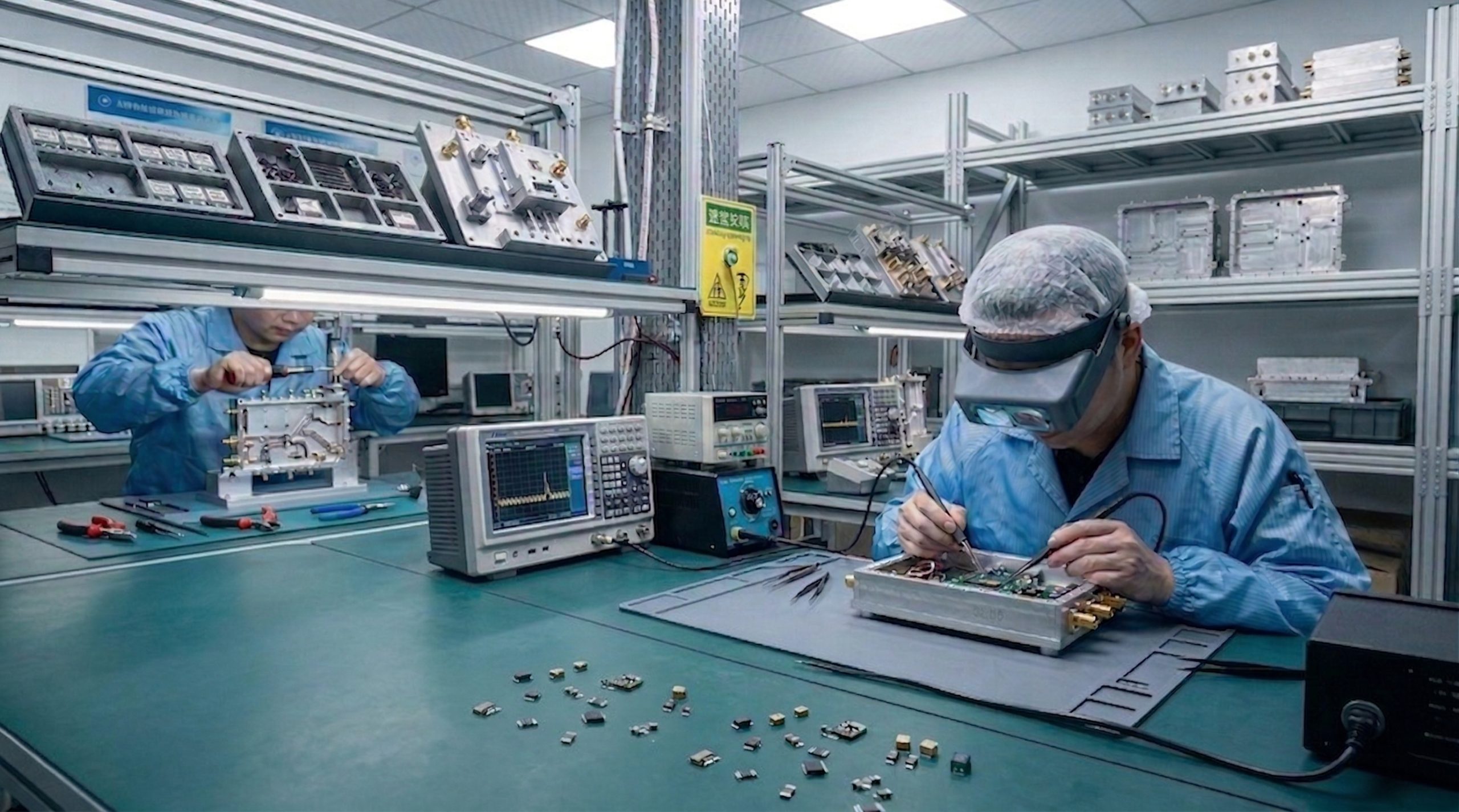
RF Testing & Validation — Pre-Shipment Verification
100–6000
MHz SDR Coverage
In-house SDR wideband receive range
400–6000
MHz Antenna Range
Broadband omni front-end frequency span
2ch
Dual Channel
SDR platform channel configuration
OEM
Custom Integration
Factory-direct OEM support available
Buyer Fit
Who This Factory-Configured Monitoring Solution Is For
Engineers, system integrators, and OEM teams building RF spectrum monitoring systems — fixed stations, portable field setups, directional deployments, or embedded OEM platforms. Each scenario maps to a factory-matched configuration.
01
Fixed Monitoring Projects
Long-term spectrum observation at permanent receiving points — rooftops, towers, or secure facilities requiring consistent, always-on coverage across a wide frequency range.
Factory value: matched for stable long-term deployment from one source
→ Wide-Area Fixed Configuration02
Portable Field Monitoring
Engineering teams needing compact, transportable monitoring setups for site surveys, field verification, or temporary deployment where size and setup speed matter.
Factory value: one-source integration keeps portable setup consistent
→ Portable Field Configuration03
Directional / Sector Observation
Projects requiring focused observation of a defined sector, specific bearing, or targeted source — where omnidirectional coverage is less efficient than a directed receive path.
Factory value: directional front-end matched to SDR interface and mounting
→ Directional Monitoring Configuration04
Lab-Side RF Evaluation
Bench-based RF evaluation or device characterization where frequency accuracy, wideband coverage, and system repeatability are the priority. Configured as a lab-adapted variant of the fixed or portable configurations.
Factory value: same in-house hardware, lab-configured variant
Lab Configuration05
OEM Monitoring Platform Integration
Developers embedding a monitoring front end into a larger platform — requiring matched SDR + antenna logic, known interface specs, and repeatable supply from a single factory source.
Factory value: one factory source for matched SDR, antenna, interface, and volume
OEM / Integration Support06
Prototype-to-Project Transitions
Projects moving from early evaluation samples toward deployment-ready configurations — needing a factory partner who can support specification refinement, matched component supply, and scaling from the same source.
Factory value: sample-to-volume continuity from in-house SDR and antenna production
Prototype-to-DeploymentSolution Configurations
Factory-Matched Monitoring Configurations
SDR-based spectrum monitoring system configurations — manufactured and matched at the factory. SDR platform, receiving antenna, and interface requirements are aligned before delivery, not assembled by the user after receipt.
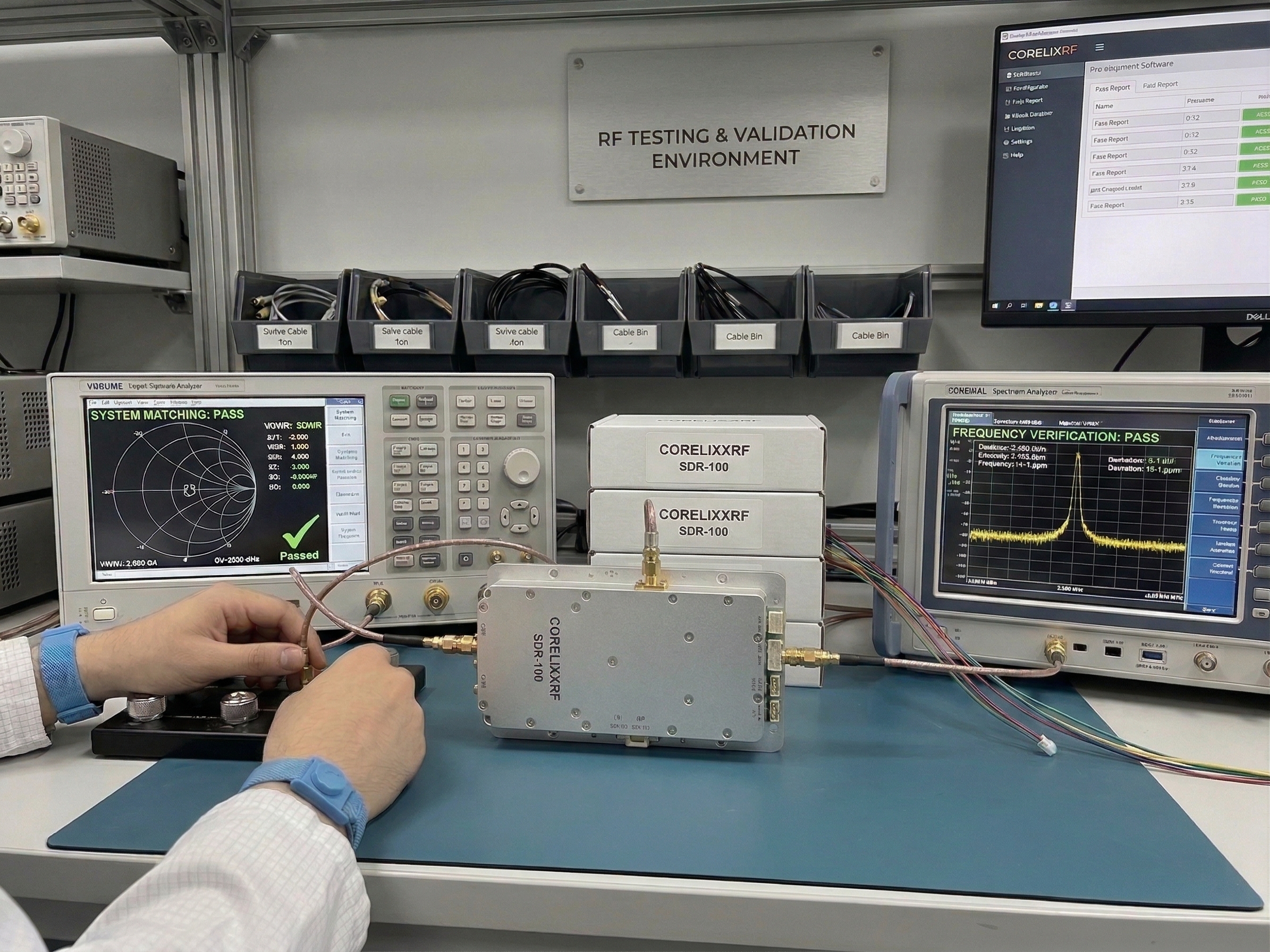
Configuration 01 — Most Requested
Wide-Area Fixed Monitoring
Best for permanent observation points requiring all-round passive reception across a wide RF range.
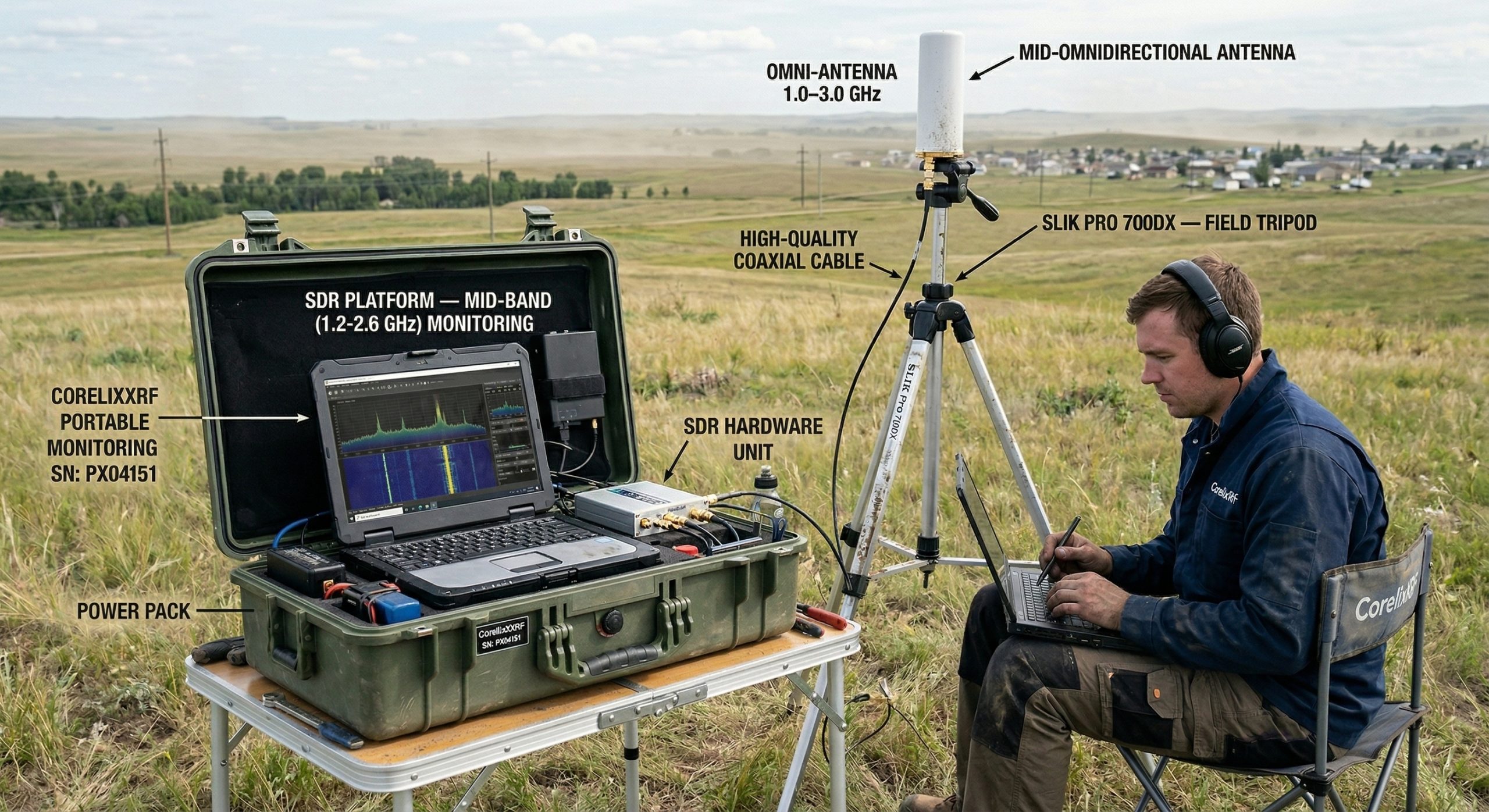
Configuration 02
Portable Field Monitoring
Best for mobile engineering teams, site surveys, and temporary deployments requiring compact, self-contained setups.
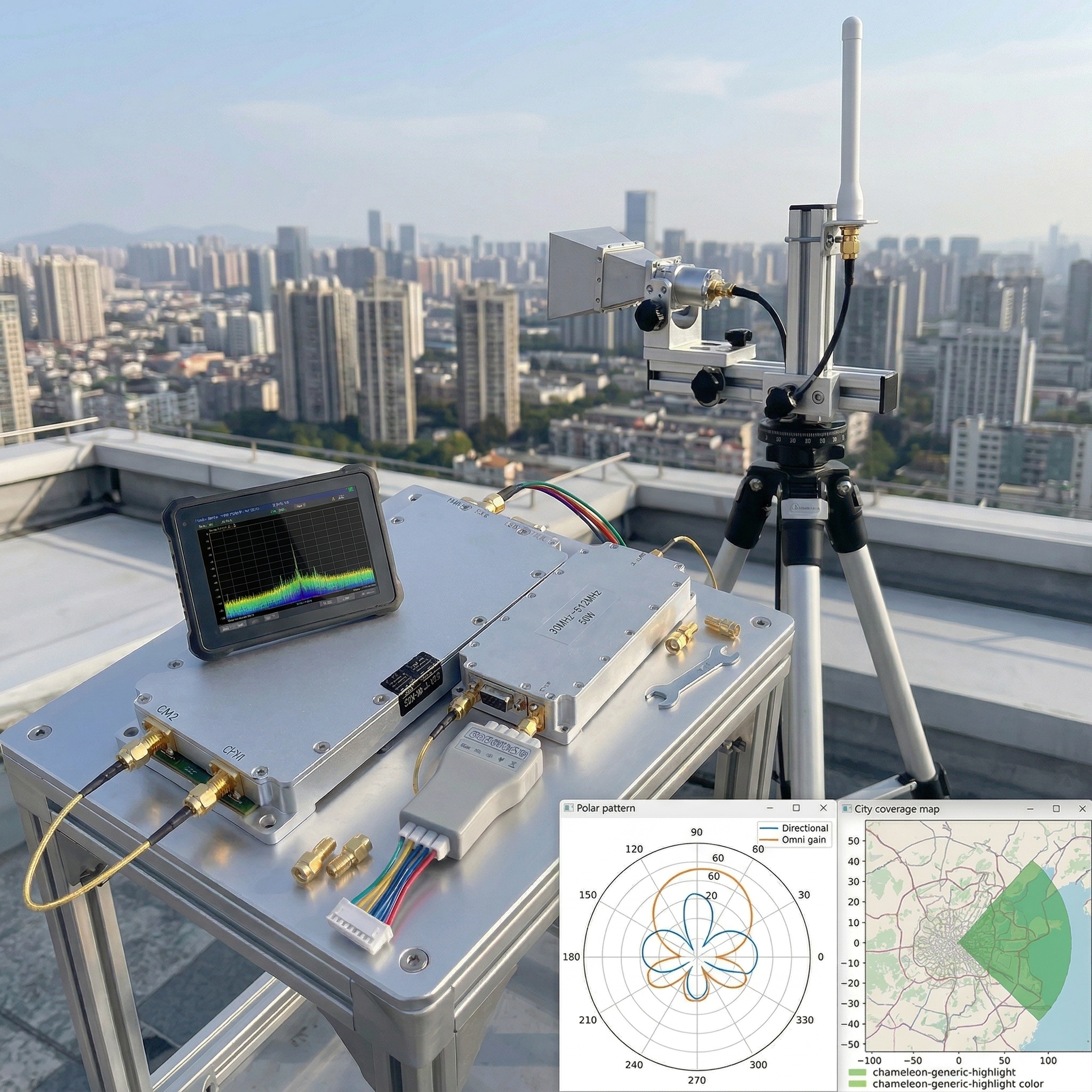
Configuration 03
Directional / Sector Monitoring
Best when focused spatial observation is required — sector scanning, source bearing, or directional signal capture in the 2–6 GHz range.
Have an OEM or integration-specific monitoring requirement?
Discuss an OEM ConfigurationProcurement Logic
Why Buy a Spectrum Monitoring Solution from One Factory Source
SDR platform, receiving antennas, and system matching — built and verified by one engineering team. This is what changes when you source from a manufacturer, not an integrator.
01
No Cross-Vendor Frequency Mismatch
SDR platform and receiving antenna are specified by the same factory. Frequency alignment is confirmed before the configuration ships — not discovered after hardware arrives from two separate suppliers.
02
Connector and Interface Confirmed Before Delivery
Cable, connector type, and host interface are confirmed by one engineering team before shipment. No cross-referencing of separate vendor datasheets after the fact.
03
OEM Modifications Managed Within One Factory
Custom frequency range, interface changes, or labeling adjustments for OEM projects are engineering tasks managed within one factory. No cross-vendor coordination required.
04
Sample and Volume Supply from the Same Line
A configuration validated at sample stage can be reproduced at volume from the same factory — no component re-sourcing, no re-qualification at scale.
What CorelixRF Resolves Before Shipment
Frequency coverage confirmed
SDR receive range and antenna bandwidth aligned — no coverage gaps
Connector type matched
Antenna output to SDR input — no adapters, no insertion loss risk
Interface requirements verified
Host connection type and downstream software compatibility confirmed
Deployment structure considered
Fixed, portable, or directional — cable length, mount type, enclosure factored in
OEM supply path defined
Sample configuration reproducible at volume from the same in-house line
Single engineering contact
One factory team for SDR, antenna, integration questions, and OEM modifications
CorelixRF manufactures both the SDR platform and the receiving antennas in-house. All items above are resolved before delivery — not after hardware arrives on site.
Request a Factory-Matched Configuration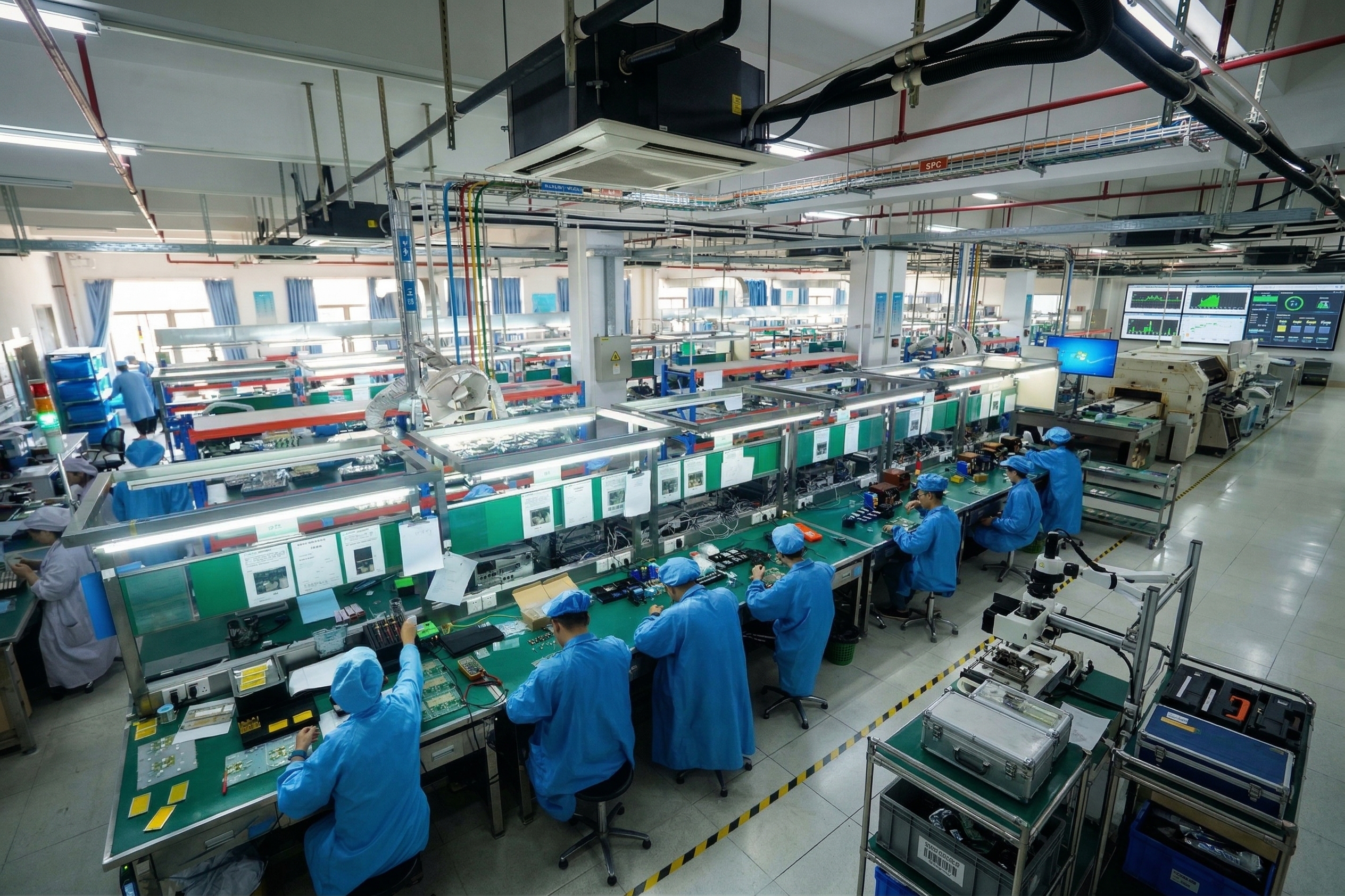
One factory. One engineering team. SDR platform and antenna — sourced, matched, and verified together.
Factory Delivery
What You Receive from a Factory-Matched Monitoring Delivery
A complete, pre-configured receiving chain ready for system integration or deployment. Not a bag of parts — a working chain verified before it leaves the factory.
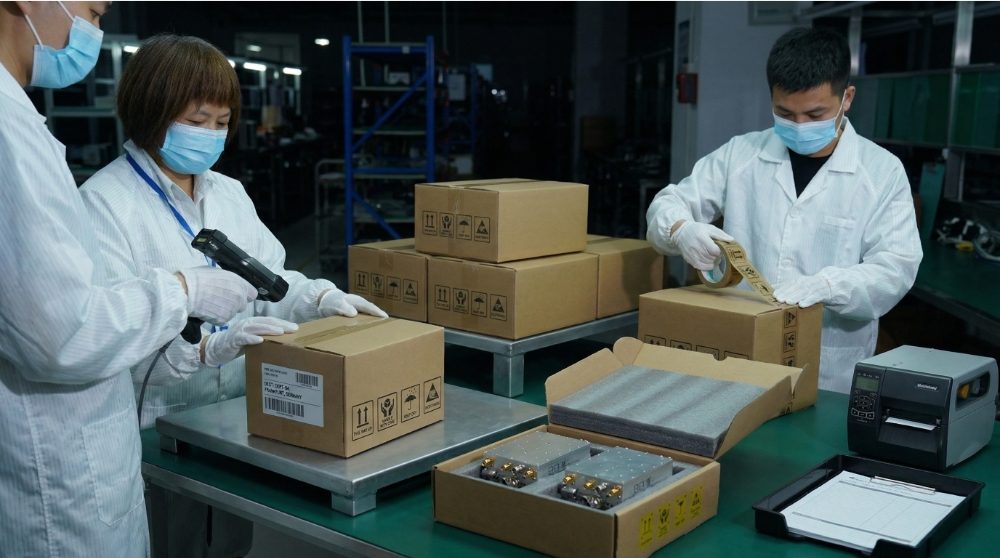
01
SDR Platform
Configured wideband SDR module — frequency range, channel count, and interface pre-verified to spec
pre-verified before shipment02
Matched Receiving Antenna
Omnidirectional or directional front end, factory-matched to the SDR's frequency range and connector interface
frequency & connector aligned at factory03
Cable & Connector Arrangement
Interconnect cable type, length, and connector configuration confirmed for your deployment environment
resolved before dispatch04
Mounting & Deployment Guidance
Physical deployment recommendations based on your confirmed structure — fixed mast, portable tripod, or directional bracket
based on confirmed deployment05
Integration Documentation
Interface documentation and configuration notes supporting host-side integration, OEM embedding, or platform development
supports OEM & host integrationSolution Composition
What a Factory-Configured Monitoring Solution Includes
A spectrum monitoring setup is a coordinated receiving chain — not a loose hardware combination. CorelixRF defines it as a factory-configured solution: every configuration is built around an in-house SDR platform paired with a factory-matched receiving antenna, designed as a single chain by the same engineering team that manufactures both.
This is not assembled by users from separate sources. It is matched by the factory before delivery.
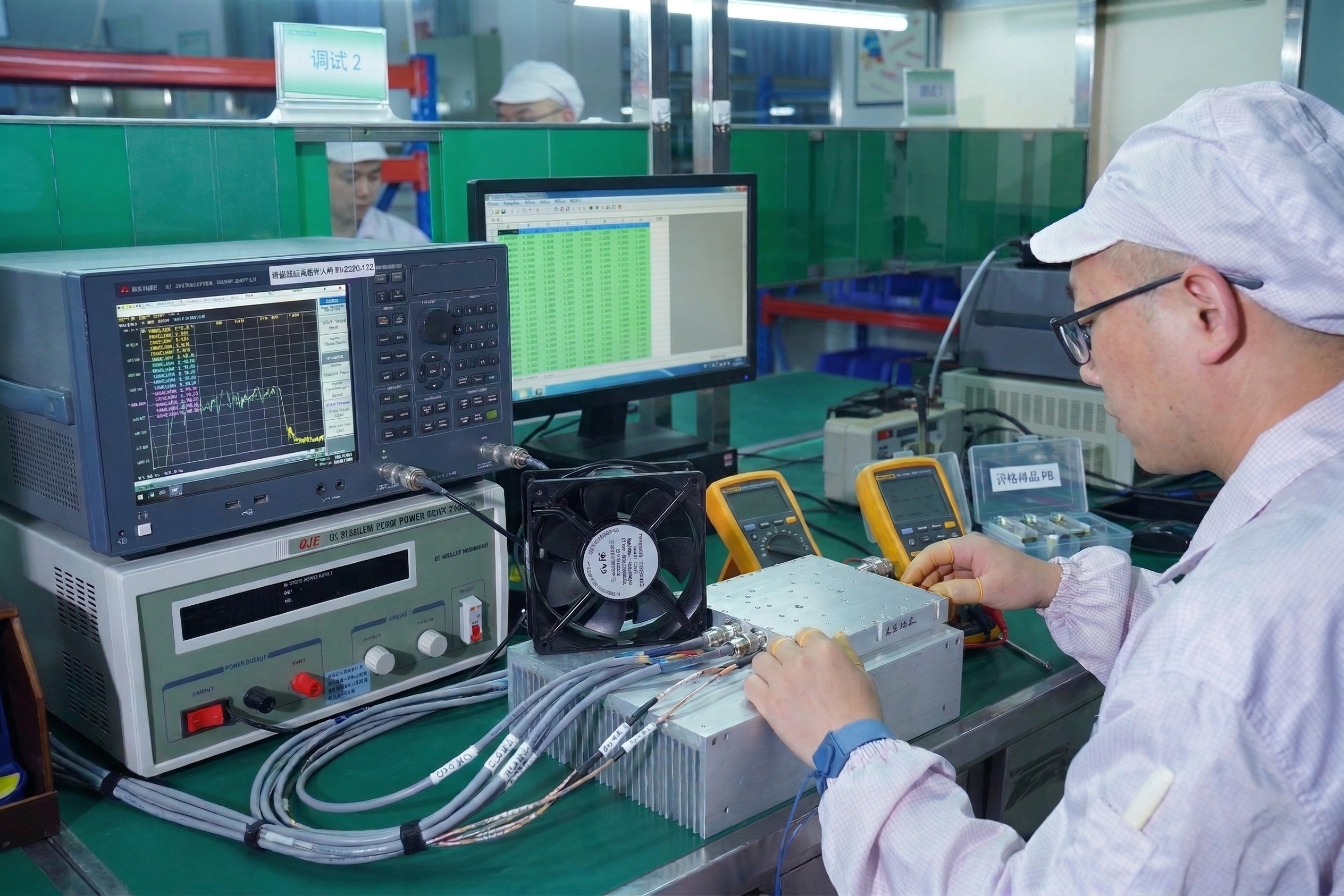
Factory-Matched Receiving Antenna
Omnidirectional or directional front end — frequency-matched to the SDR platform from the same factory source. Not selected by the user from a separate supplier.
In-House SDR Platform
CorelixRF's own wideband SDR — not a third-party module. Configurable for bandwidth, channel count, and interface requirements. Designed to work as a matched pair with CorelixRF antennas.
Host Control & Analysis Layer
Configuration, observation, recording, and downstream integration — bridged from factory hardware to your project environment. Interface requirements confirmed before delivery.
Deployment-Oriented Configuration
Fixed site, portable, or lab-bench — the physical deployment structure is part of the factory-defined solution, considered before the configuration is finalized, not after hardware is shipped.
System Architecture
Factory-Defined Monitoring Architecture
A structured signal chain designed and validated before delivery — so the antenna front end and SDR platform do not need to be re-qualified from separate sources.
Receiving Antenna
Omnidirectional or directional — frequency and connector matched at factory
In-House SDR Platform
100–6000 MHz, dual-channel, USB host — developed and manufactured by CorelixRF
Monitoring / Analysis
Host-side spectrum software, logging, or OEM integration layer
Antenna Front End
Frequency, gain, pattern, and connector type are factory-selected to match the SDR and deployment scenario. The antenna does not arrive as a separate specification — it arrives as a confirmed matched component.
SDR Receiving Core
The in-house SDR platform provides the tunable, wideband receiving core. Because it is manufactured in-house, configuration options and OEM modifications are engineering decisions, not third-party vendor negotiations.
Host & Integration Layer
Interface specifications, software compatibility, and downstream integration requirements are addressed at the configuration stage — before hardware is finalized and shipped from the factory.
CorelixRF defines and matches this chain before delivery, so the antenna front end and SDR platform do not need to be re-qualified from separate sources.
Matching Logic
Why Factory Matching Matters in Spectrum Monitoring Projects
Frequency, antenna type, deployment structure, and interface must be aligned before system integration. Each dimension of the monitoring configuration involves a decision that affects the others — and resolving these decisions within one engineering and manufacturing team eliminates a significant category of project risk.
When SDR and antenna are sourced separately, these alignment problems become the buyer's responsibility. When both originate from CorelixRF, they are resolved at factory — confirmed by one engineering team before shipment.
01
Frequency Range
Antenna bandwidth must encompass the SDR's tuning range. Mismatch here causes gaps in coverage that may not be visible until deployment.
resolved before shipment
02
Coverage Pattern
Omnidirectional vs directional selection affects deployment geometry, gain, and which signals the system can passively receive at useful strength.
confirmed by one engineering team
03
Deployment Environment
Fixed, portable, or directional structures each have different antenna mounting requirements, cable lengths, and weathering considerations.
matched at source
04
Integration Requirements
Host interface, connector type, and downstream software compatibility must be defined early — not discovered after hardware has been received from different vendors.
resolved before shipment
Procurement Risk
Why a Factory-Matched Monitoring Solution Reduces Procurement Risk
Common integration failures in RF spectrum monitoring systems come from mismatched SDR platforms and receiving antennas sourced separately. All matching resolved before shipment by one engineering team.
Frequency Mismatch Risk
Separately sourced SDR and antenna may have coverage gaps that only appear after integration. Antenna bandwidth may not align with the SDR's actual receive range at usable sensitivity levels.
Eliminated: same factory defines both frequency envelopes
Connector & Interface Inconsistency
Connector type mismatches between antenna output and SDR input require adapters that add insertion loss, mechanical risk, and procurement delay. Host interface conflicts require re-specification.
Eliminated: connectors and interface confirmed at factory before dispatch
Deployment Inefficiency
Hardware from separate vendors may require extended integration time, additional field testing, and re-procurement cycles when components do not match as assumed during desk-level specification.
Reduced: deployment structure considered at configuration stage, not post-receipt
OEM Supply Inconsistency
When SDR and antenna come from different factories, any change to one component — revision, EOL, packaging update — may require re-validation of the other. Two vendor relationships, two risk surfaces.
Reduced: single factory source manages both components through volume
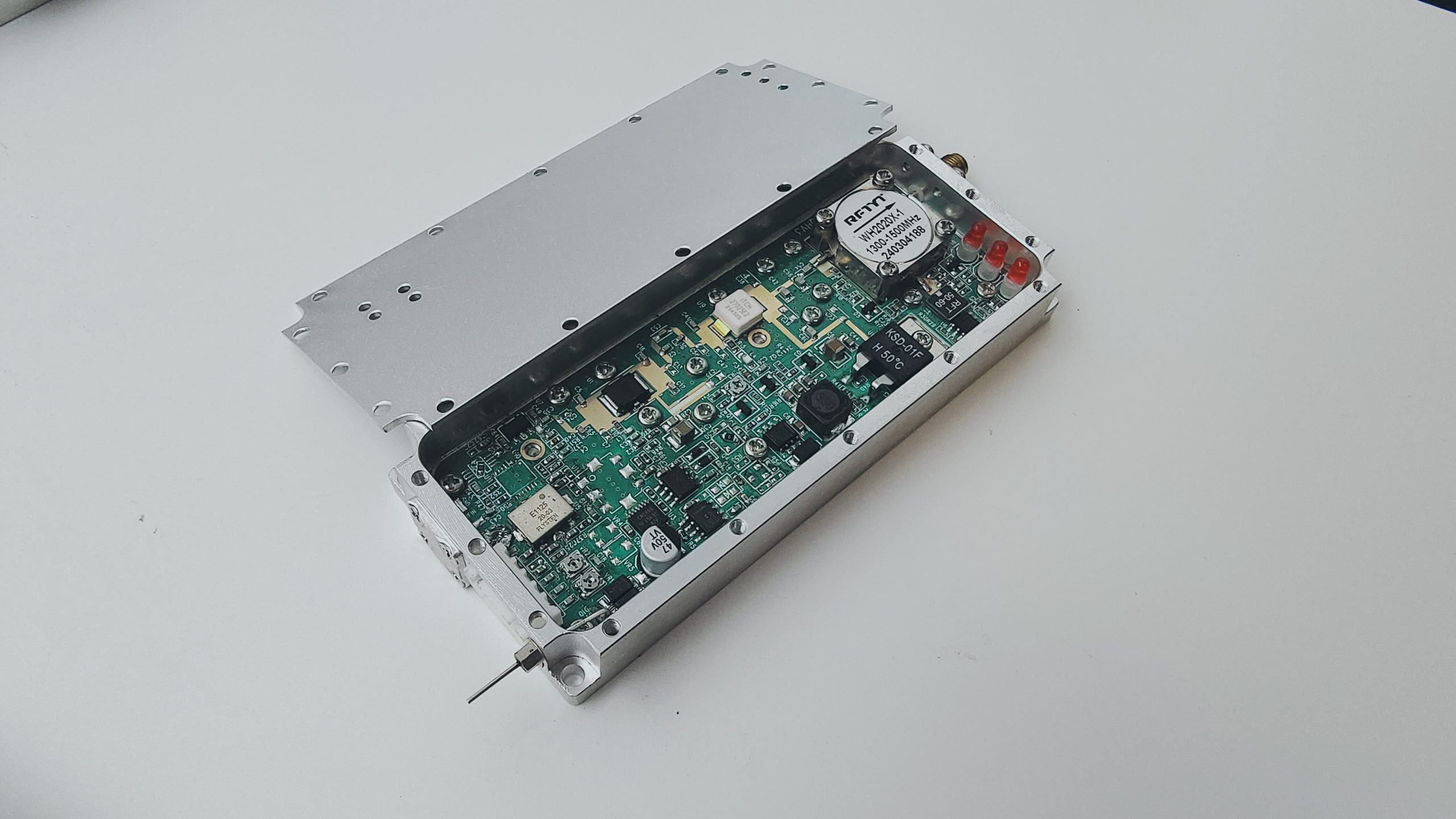
Factory-managed integration: SDR platform, antenna, and interface — aligned by one engineering team before delivery.
Factory Evidence · In-House Development
In-House SDR Platform for Factory-Matched Monitoring Solutions
Developed and produced by CorelixRF for full control over configuration, matching, and OEM supply
The SDR platform at the center of every CorelixRF monitoring configuration is not a resold third-party module. It is developed in-house — giving CorelixRF direct control over frequency specification, configuration options, and OEM supply continuity without dependency on external SDR vendors.
This matters for monitoring projects because it means OEM modifications, frequency customization, and production continuity are engineering decisions managed within one factory — not negotiations with a separate hardware supplier.
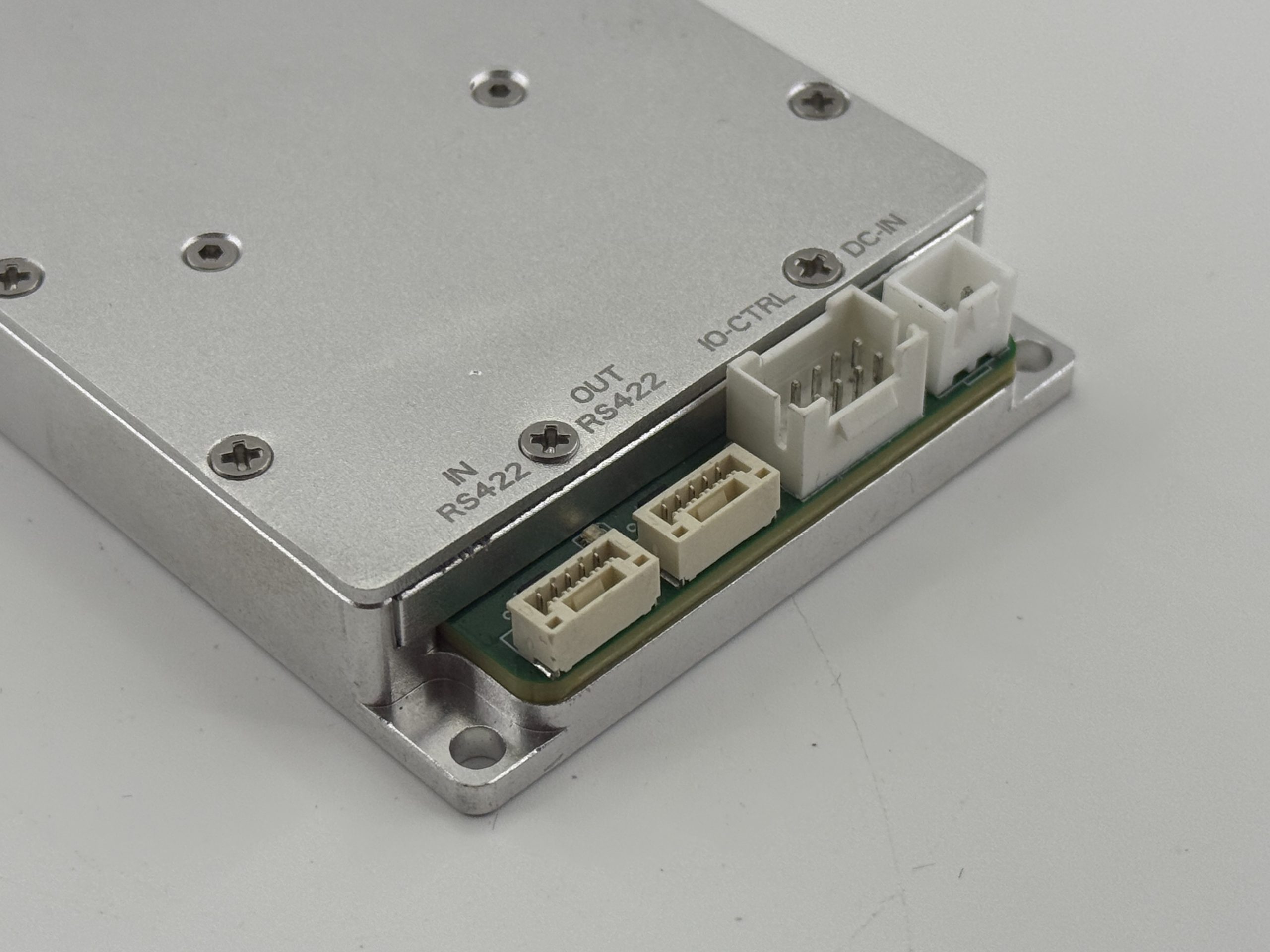
SDR Platform Specification Overview
Factory-Matched Front End
Factory-Matched Omnidirectional Receiving Antennas
Broadband receiving antennas supplied and matched from the same factory source as the SDR platform. Not selected by users from a separate supplier — matched at factory as part of the receiving chain.
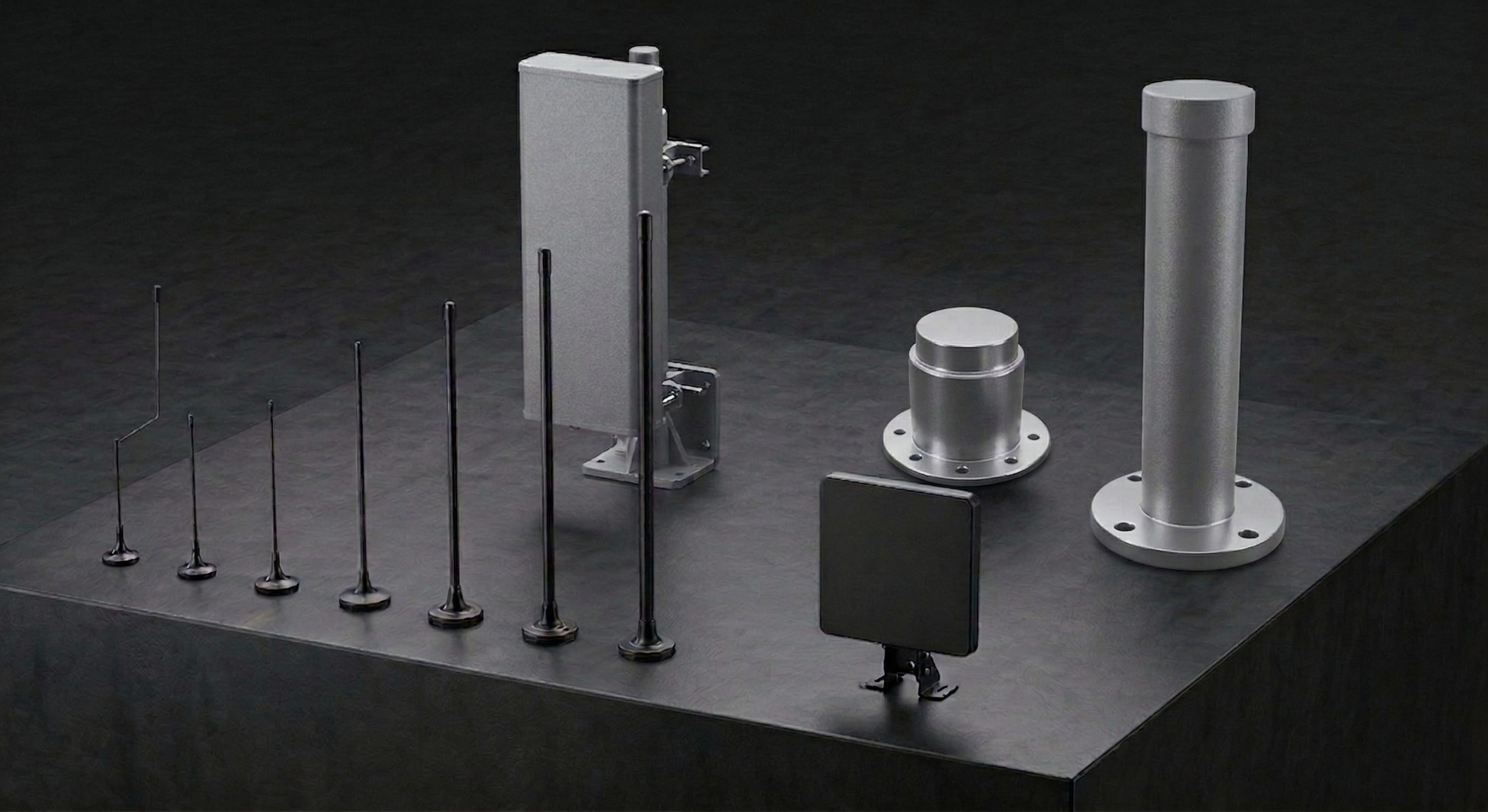
400 – 6000 MHz
Broadband Omni · Fixed Monitoring
Wideband Omnidirectional Receiving Antenna
Primary front end for wide-area fixed monitoring. Full coverage from 400 MHz to 6 GHz — matched to the CorelixRF SDR platform's full receive range.
Matched to CorelixRF SDR platform before delivery
800 – 2600 MHz
Mid-Band Omni · Portable Monitoring
Portable Mid-Band Omnidirectional Antenna
Compact form factor for portable field monitoring. Covers the primary mobile, IoT, and infrastructure monitoring bands in a setup-ready format.
Matched to CorelixRF SDR compact configuration
Frequency-Specific
Narrowband Omni · Targeted Monitoring
Frequency-Focused Receiving Antenna
Targeted narrowband options for known frequency environments — 433 MHz, ISM, GNSS, and cellular bands. Optimized for signal-specific monitoring tasks.
Supplied as factory-supported frequency extension options
Factory-Matched Front End
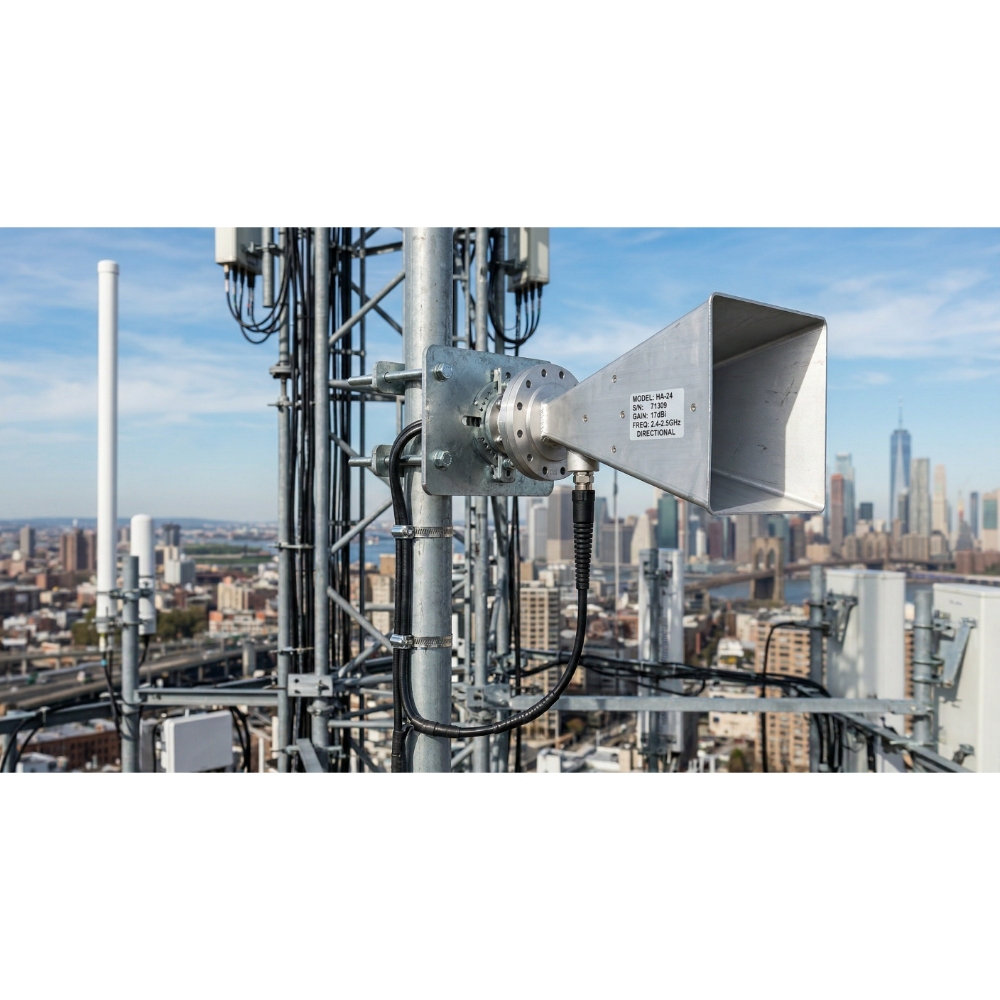
Factory-Matched Directional Antenna for Sector Monitoring
Directional receiving front-end configured for focused monitoring and sector observation — matched to SDR interface from the same factory source
Where omnidirectional reception covers the full azimuth, directional monitoring focuses receive gain on a defined sector or bearing. This improves sensitivity toward a target direction and reduces interference from outside the monitored zone — useful for sector-specific observation or directional source identification.
Optional Extensions
Optional Factory-Supported Frequency Extensions
Extend the monitoring range using factory-supported narrowband or extended frequency options. These are not separate products — they are optional extensions to the same factory-defined monitoring architecture, maintaining configuration consistency and supply continuity from the same source.
433 MHz
ISM / IoT
860–930 MHz
Cellular / IoT
1170–1280 MHz
GNSS L5 / L2
1560–1610 MHz
GNSS L1 / GPS
2.4 GHz
WiFi / BT / ZigBee
5.8 GHz
WiFi 5 / FPV / Link
Need a frequency-specific extension not listed above?
Ask Factory Engineering about Frequency ExtensionsDeployment Structures
Deployment Structures Supported by Factory Configuration
Factory understands real deployment — not just hardware. Each deployment structure informs the antenna selection, cable configuration, and mounting guidance provided with the configuration.
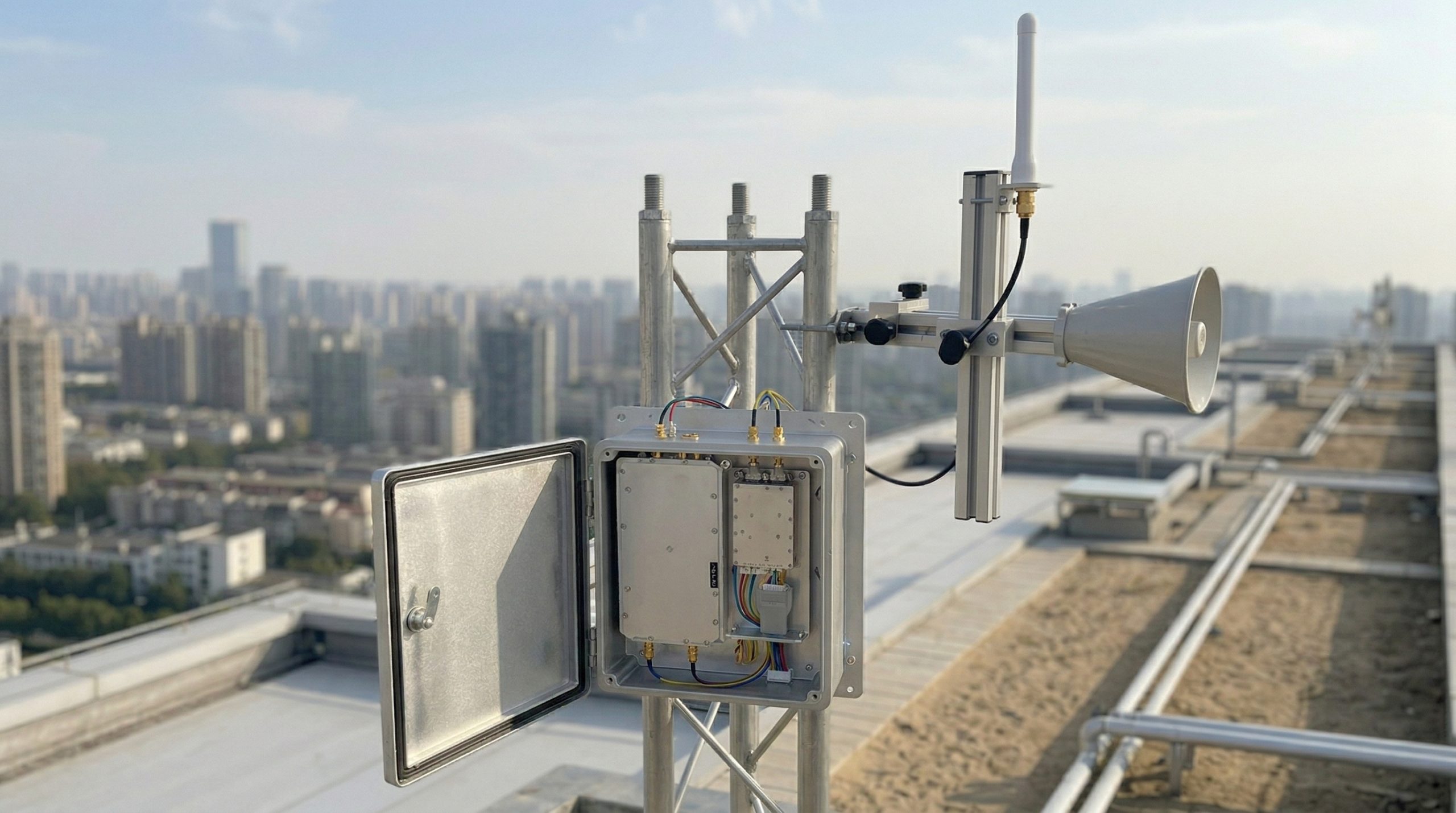
Fixed Installation
Permanent-site monitoring with mast or rooftop-mounted omnidirectional antenna. Sized for continuous, long-term operation. SDR platform housed in protected indoor or outdoor enclosure with direct cable run to antenna.
Factory configuration: broadband omni matched to SDR, long cable run factored in
Wide-Area Fixed Configuration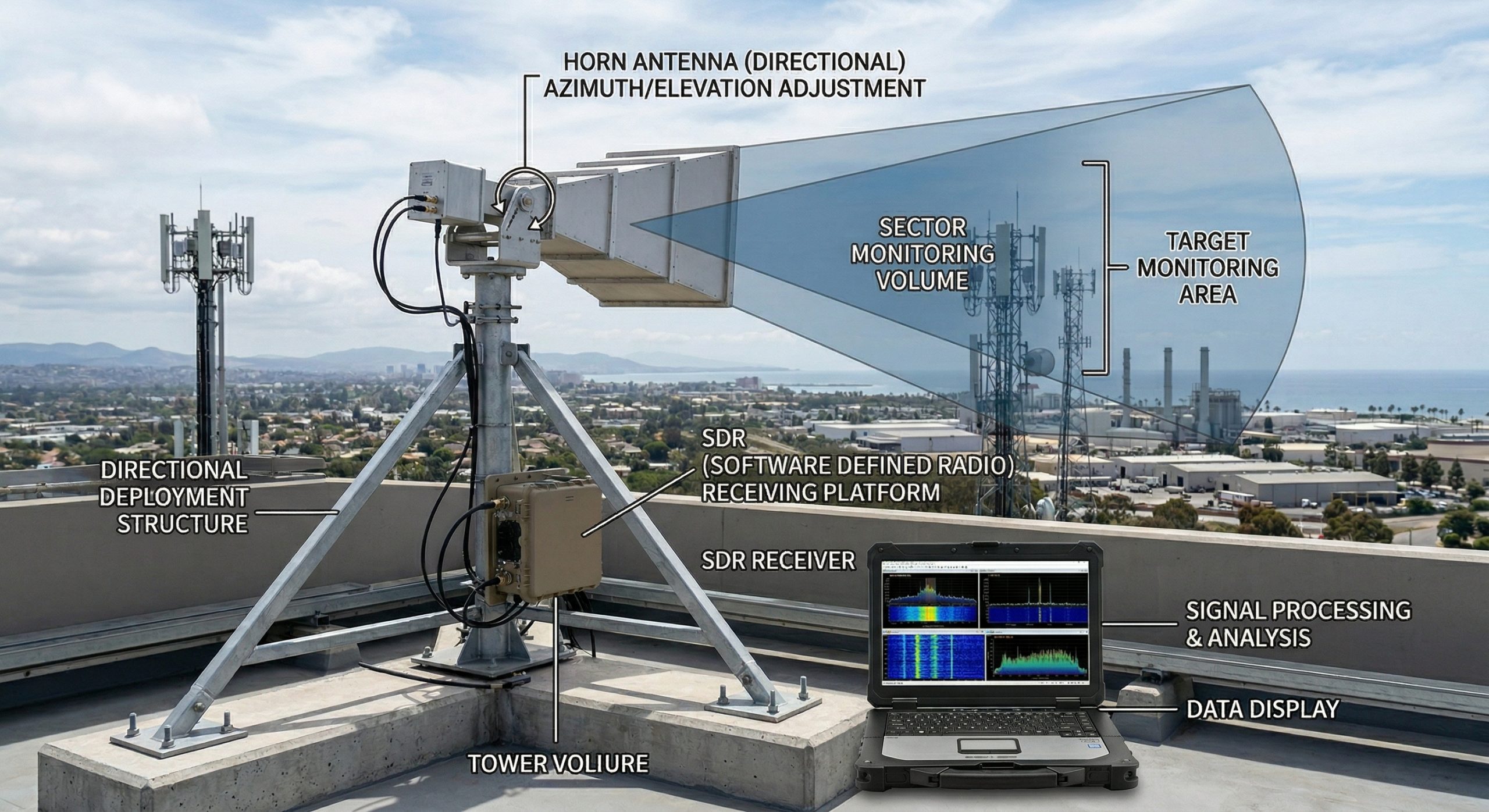
Directional Sector Deployment
Fixed or semi-fixed directional horn antenna aimed at a defined sector bearing. Mounted on mast or bracket with azimuth adjustment. SDR matched to horn's frequency range and connector interface at factory.
Factory configuration: directional front-end and SDR interface matched before shipment
Directional Monitoring Configuration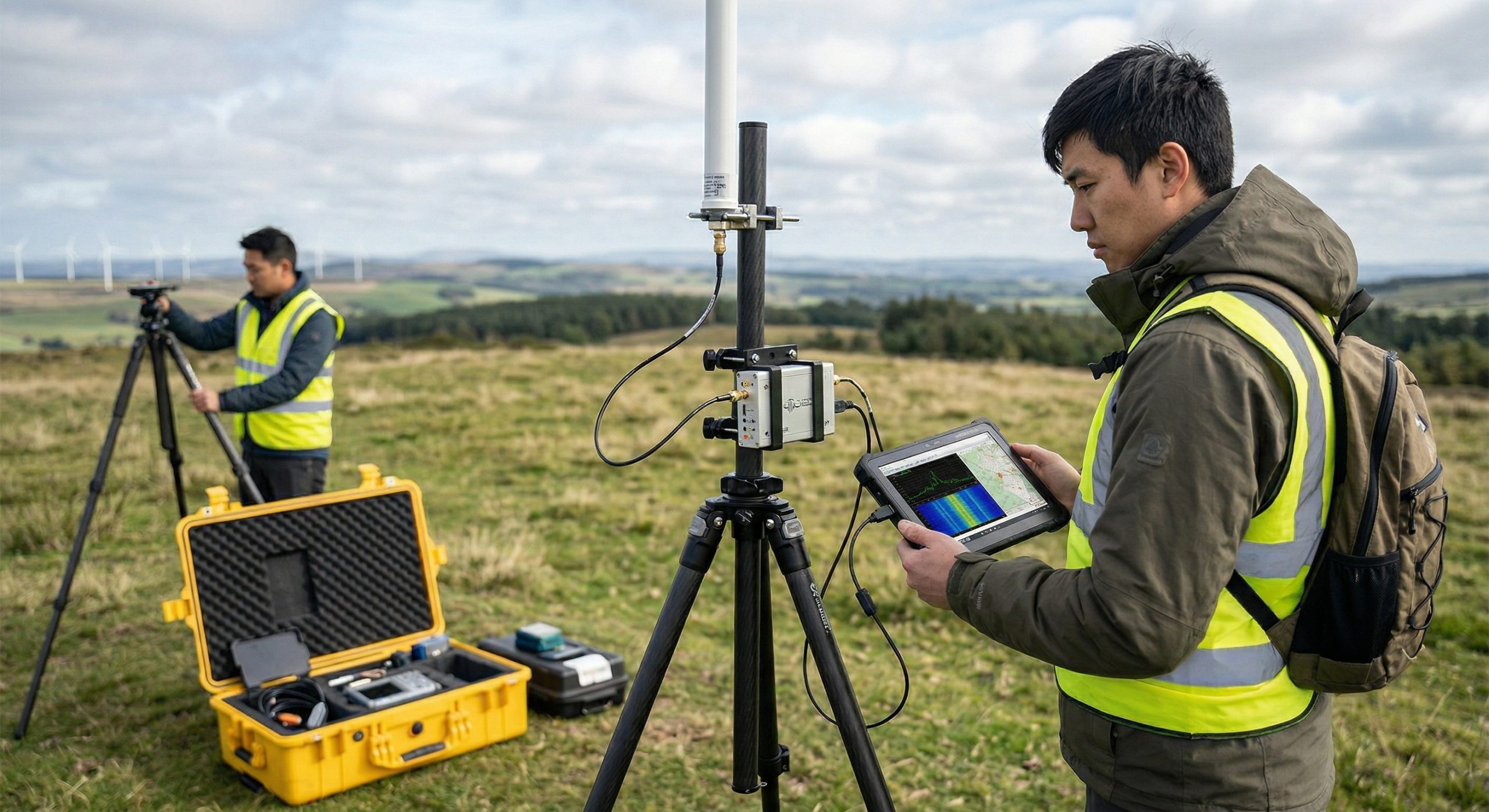
Portable Field Deployment
Tripod or handheld structure for rapid-setup field monitoring. Compact mid-band omnidirectional antenna with portable SDR configuration. Designed for fast deployment, survey tasks, and temporary field monitoring.
Factory configuration: portable integration sized for field setup from one source
Portable Field ConfigurationInquiry Preparation
How to Prepare Your Monitoring Inquiry
Provide key parameters so factory engineering can match the right configuration. The clearer the input, the faster the factory can confirm a matched configuration — without multiple clarification rounds.
You do not need to have a complete specification. A defined starting point in each of these four areas is sufficient to begin a factory-matched configuration discussion.
Request a Configuration01
Define Target Frequency Range
Specify whether your project requires wideband coverage (e.g., 400–6000 MHz) or frequency-focused monitoring (e.g., GNSS L1, 2.4 GHz ISM, cellular bands). This is the primary factory matching input — it determines both antenna selection and SDR configuration.
02
Omni or Directional Coverage
Omnidirectional is suitable when signal direction is undefined or when wide-area passive coverage is required. Directional is better when the monitoring task targets a known sector, bearing, or signal source. If uncertain, factory engineering can advise based on your monitoring objective.
03
Determine Deployment Type
Fixed installation, portable field setup, or directional structure — each has different antenna mounting requirements, cable length considerations, and enclosure needs. Confirming deployment type at inquiry stage allows factory to include the correct mounting and connection guidance in the configuration.
04
Confirm Integration Requirements
Specify whether the SDR will be host-connected via standard USB to an off-the-shelf computing platform, embedded in a custom hardware system, or integrated as part of an OEM product. Interface and connector requirements can be addressed at factory before hardware is produced.
FAQ
Factory & Procurement FAQ
Common questions about sourcing, matching, and OEM monitoring solutions from CorelixRF factory engineering.
A spectrum monitoring system is a hardware chain that passively receives and analyzes RF signals across a defined frequency range. The core components are a receiving antenna — which captures the RF environment — and a software-defined radio (SDR) platform, which provides the tunable receiving core and host interface. Together they allow engineers to observe signal presence, occupancy, interference, and spectral activity in real time or logged over time. CorelixRF supplies both as a factory-matched pair for fixed, portable, and directional deployments.
In most cases, yes. The antenna captures the RF environment and the SDR provides the tunable receiving core and host interface. Together they form the working monitoring chain. If you already have an SDR, CorelixRF can supply a matched receiving antenna and advise on configuration compatibility.
Yes. An SDR (software-defined radio) platform is the standard receiving core for modern spectrum monitoring systems. It provides wideband tunable reception — typically 100 MHz to 6 GHz — and outputs digitized RF data to a host computer running spectrum analysis or logging software. The SDR alone is not a complete monitoring system; it requires a matched receiving antenna as the RF front end. CorelixRF manufactures both in-house and supplies them as factory-matched pairs.
Antenna type depends on the monitoring objective. Broadband omnidirectional antennas (400–6000 MHz) are used for wide-area fixed monitoring. Compact mid-band omni antennas (800–2600 MHz) suit portable field setups. Directional horn antennas (2–6 GHz) are used when the project targets a defined sector or bearing. Frequency-focused narrowband antennas are available for specific bands such as GNSS, ISM, or cellular. CorelixRF manufactures all antenna types in-house and matches them to the SDR platform at the factory.
Omnidirectional is suited to wide-area passive reception where signal direction is undefined — general environmental monitoring, fixed stations, portable field setups. Directional is better when the project targets a known sector or bearing where focused observation efficiency matters more than all-round coverage. Factory engineering can advise on which is appropriate for your monitoring objective.
Yes. Both the SDR platform and the receiving antennas are developed and manufactured in-house by CorelixRF. Frequency matching, interface confirmation, and OEM continuity are all managed from a single factory source — not assembled from separate vendors.
Yes. Configurations are matched at the factory — frequency coverage, connector type, and interface requirements are verified before delivery. You do not need to validate compatibility separately. The receiving chain arrives as a pre-confirmed working pair, not as two independent hardware items.
Sourcing from one factory eliminates cross-vendor frequency mismatch, connector incompatibility, and integration uncertainty. When the same engineering team defines both the SDR and antenna, all matching decisions are resolved before delivery — not after hardware arrives on site. For OEM projects it also means a single supply relationship for both components, simplifying procurement at scale.
Yes. The same SDR platform underlies both deployment types — the configuration differs at the antenna and integration structure level. CorelixRF can advise on which antenna configuration is appropriate for mixed fixed and portable use cases, and whether a single or dual configuration approach best serves the project.
Yes. Frequency-focused antenna configurations are available as extensions — covering 433 MHz, 860–930 MHz, 1170–1280 MHz, 1560–1610 MHz, 2.4 GHz, and 5.8 GHz bands. These are optional extensions to the same factory-defined monitoring architecture, not separate products — so the SDR platform and system configuration remain consistent.
Yes. CorelixRF supports prototype-to-volume continuity. Because the SDR platform and antennas are both manufactured in-house, a configuration validated at sample stage can be reproduced at volume without re-sourcing components from different vendors. Specification changes made during prototype evaluation can be carried forward into the volume supply configuration.
Yes. OEM configurations including custom frequency range, interface modification, labeling, and volume supply arrangements are supported. Because both the SDR and antennas are in-house products, these modifications are engineering tasks rather than vendor negotiation items. Contact factory engineering to discuss OEM requirements and the appropriate starting configuration.
Yes. Because both the SDR platform and receiving antennas are manufactured in-house, CorelixRF can provide configuration documentation, interface specifications, and technical parameters to support integration and deployment. For OEM projects requiring custom documentation, labeling, or integration support, these are addressed as part of the OEM engineering discussion.
The most useful inputs are: target frequency range or bands, omnidirectional vs directional antenna preference, intended deployment type (fixed / portable / directional), and host interface or OEM integration requirements. Volume estimate and project stage (prototype, pilot, volume) are also helpful if available. A complete specification is not required — factory engineering will work with your available parameters to identify the right starting configuration and confirm matching before hardware is produced.
Factory Engineering Inquiry
Discuss Your Monitoring Project with CorelixRF Factory Engineering
Work directly with our engineering team to define a matched monitoring configuration — not a sales inquiry, an engineering discussion. Pre-select your scenario below to pre-fill the form.